Chapter 60 is a detailed part of Chapter 26, Overview of Shinto (新刀概要). Please read Chapter 26 before reading this section.

The red circle above indicates the time we discuss in this section
The difficulty of Shin-to Kantei
Regarding swords from the ko-to period, you can estimate when they were made by analyzing their style and shape. Several factors indicate which period and which Gokaden (五ヶ伝) created the sword by examining several points, such as the appearance of the hamon or the appearance of the ji-gane. However, swords from the shin-to period do not follow this method.
Although there are differences among shin-to swords made during the early Edo period, around the Keicho (慶長: 1596 ~) era, the middle Edo period, that is around the Kanbun (寛文: 1661 ~) era, and the late Edo period, that is the Genroku era (元禄: 1688 ~), these differences are not much.
The same applies to the Gokaden (五ヶ伝) during the shin-to period. In the ko-to time, Bizen swordsmiths forged swords with Bizen characteristics. Swords made by Yamato swordsmiths usually showed the Yamato-den features. However, during the shin-to period, a swordsmith from one specific den sometimes forged blades in the style of another den’s features. As a result, it is difficult to determine the maker of a particular sword.
For shin-to, we will study the characteristics of the seven main locations, which will be discussed in the following chapters.
Picturesque Hamon
During and after the Genroku era (元禄1688 – 1704), some picturesque hamon style became trendy. Several swordsmiths created picturesque hamon on wakizashi and short swords. As it gained popularity, especially among foreigners, most of these swords were exported from Japan during the Meiji Restoration. Today, very few remain in Japan.
The swordsmiths who made picturesque Hamon
Yamashiro (山城) area ———————————-Iga-no-kami Kinmichi (伊賀守金道), Omi-no-kami Hisamichi (近江守久道)
Settsu (摂津) area ———————————Tanba-no-Kami Yoshimichi (丹波守吉道) Yamato-no-Kami Yoshimichi (大和守吉道)
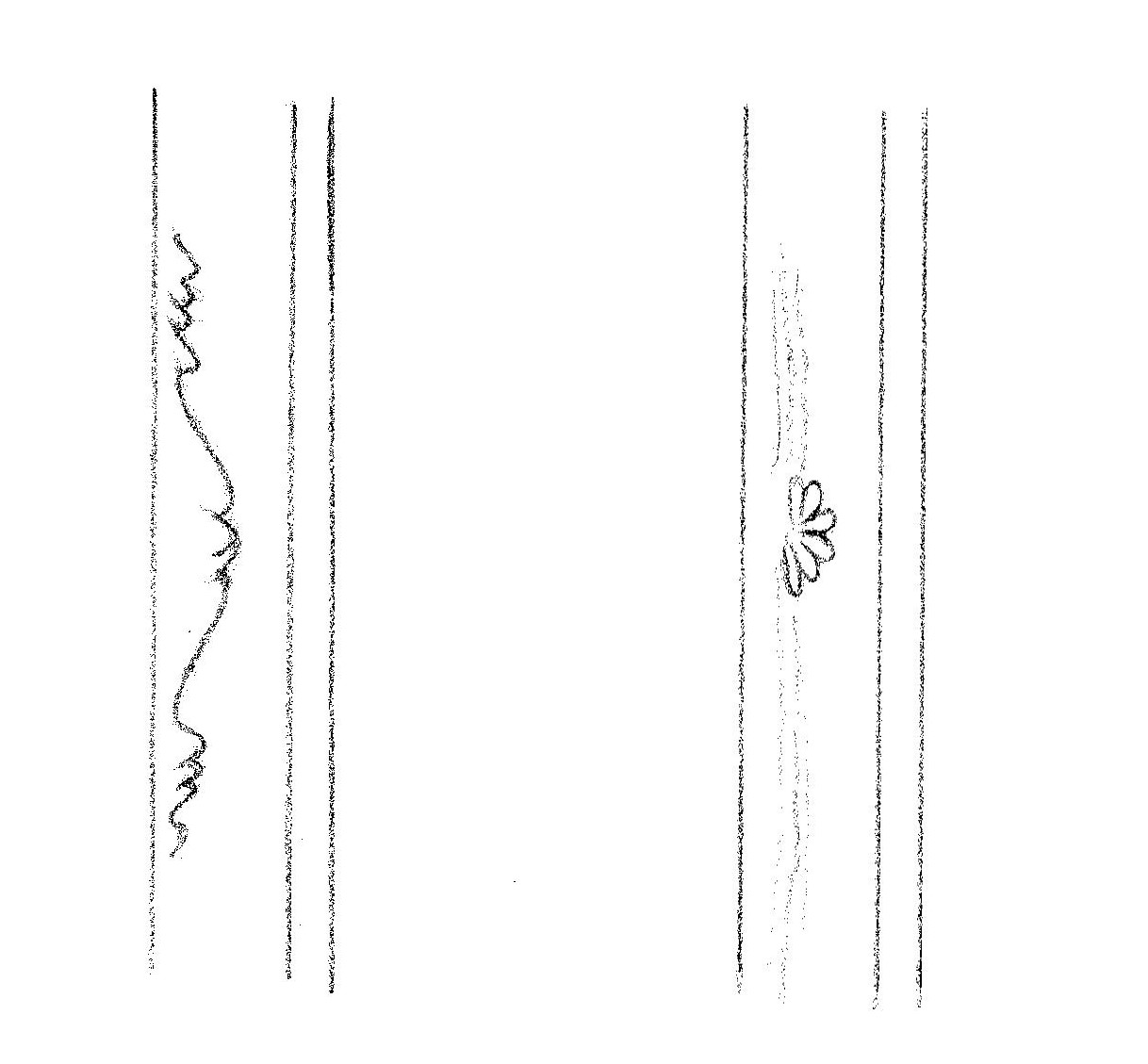
Below are examples. Fuji is the Mount Fuji design. Kikusui is a chrysanthemum in the water.

 Study of Japanese Sword
Domo arigatou sensei Shitsureishimasu Sasha
On Tue, 20 Aug 2019 at 3:14 am Study of Japanese Sword wrote:
> Yurie Endo 遠藤由利江 posted: “The difficulty of Shin-To Kantei During Ko-To > time, one could tell the approximate time when the sword was made by the > style and the shape. The condition of the Hamon, how the Jigane appears > indicates the approximate Gokaden (五ヶ伝) of Ko-To time. But ” >
LikeLike